Are you moving across the country? The new job and city are exciting, but then reality sets in: the car is a terrible problem to deal with! Who would want to drive a car a thousand miles? It’s not a flat fee to ship your wheels across the huge United States, but you need them. So, the most important question is: How much will it really cost to move my car?
This is just a rough estimate of how much it costs to move a standard sedan. That estimate will go up a lot, though, if you have a bigger SUV or are moving to a remote place. So, your job is to figure out the few most important things that affect that end price. In the end, mastering these factors is the best way to get a correct price and stick to your budget.
Key Factors That Steer Your Auto Transport Quote
You wouldn’t believe it, but the price you pay to move your car depends on a lot of different factors. These are the first things that moving companies look at when they give you a price. So, think of them like machine levers. This will help you keep the end cost down.
Distance and Location Accessibility
The distance between your pick-up and drop-off places is, as you might expect, the most important factor. It makes sense, since the longer the truck has to go, the more fuel and time the driver has to spend on it. Also, it’s not just about the miles; it’s also about how easy it is to get to. It is often cheaper and easier to move a car from a big city like Los Angeles to a big city like New York City than from a small town in Montana to a big city in rural Maine. This is because carriers like busy roads where it’s easy to fill up their trailers. This is known as “economies of scale.” Basically, if your road is busy, the mover will be more efficient, which will help you.
The Size and Weight of Your Vehicle
To put it another way, a carrier trailer can only hold a certain amount of weight and has a limited amount of room. As a result, moving a small Honda Civic will always be cheaper than shipping a big Ford F-350 truck or an SUV. Why? It takes up more space on the trailer and uses more fuel for the delivery truck if your car is bigger or heavier. So, if you have a bigger car, you can expect to pay more for transport. You may also have to pay extra if you ship some personal items in the trunk of your car, since this adds weight that can’t be insured.
Carrier Type Open vs. Enclosed Transport
This is likely the most important financial move you’ll ever make. There are two main choices you can make:
Open Carrier
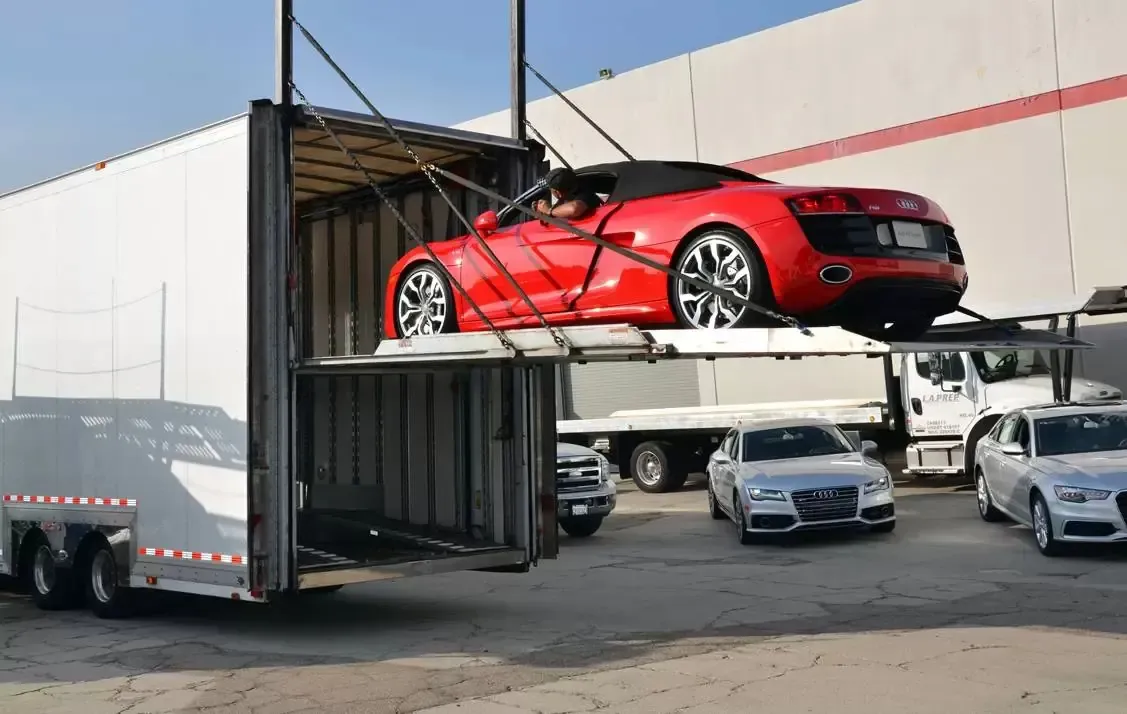
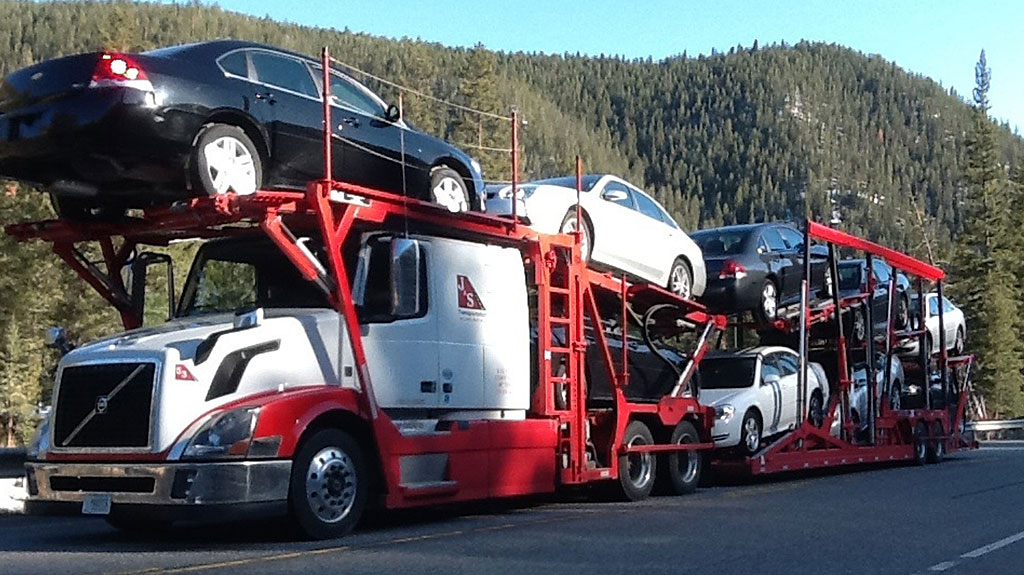
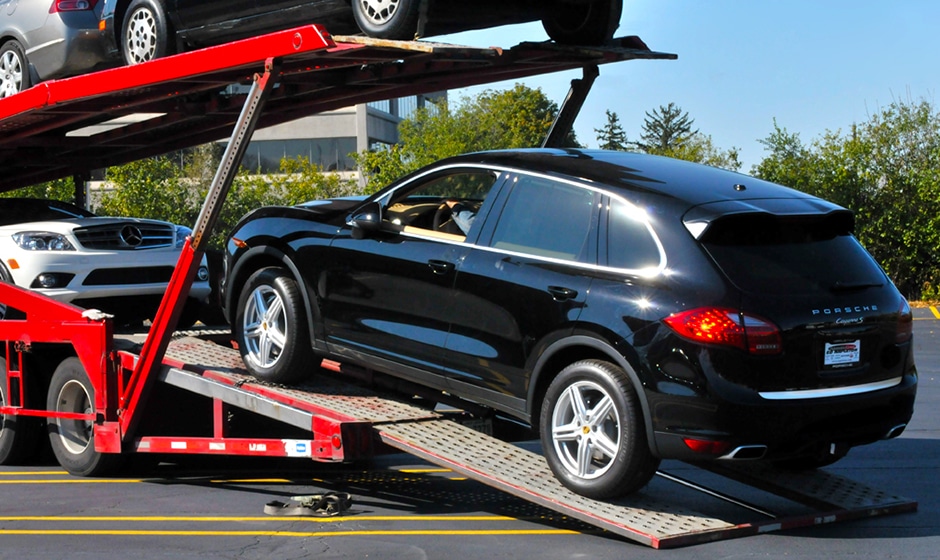
This is the most popular and least expensive choice. The trailer that your car is on is similar to the ones that bring new cars to stores. The risk of damage is pretty low even though it’s out in the weather (rain, dust, road grime). In general, this choice is 30% to 50% less expensive than enclosed travel.
Enclosed Carrier
This high-end service is usually only for rare, expensive, or classic cars. Your car is safe inside a fully covered trailer that keeps out all weather and road debris. Because these special trailers only have so much space and the cargo needs more insurance, this choice is, of course, much more expensive. The extra cost is worth it if you’re sending a valuable old muscle car. If not, an open carrier should be fine for your daily driver.
Hidden Drivers of the Final Price
The final price you get is based on a lot more than just the physical parts of the move. Other market factors and logistical decisions are also very important. So, paying attention to these little things can help you save a lot of money.
Seasonality and Market Demand
The time of year you move has a big effect on the price, just like when you book a ticket. In particular, the busiest time to move is during the summer, from May to September. College students, families, and professionals are all moving right now, which is making demand (and costs) go up. Moving during the off-peak season, like late fall or winter, usually means lower rates, since movers want to fill their trucks as soon as possible. It also matters which way you move; leaving a cold place in the spring for a warmer one is generally more expensive than moving into it.
Scheduling Flexibility
Movers love having options. Really, the less set in stone your pick-up and delivery times are, the less likely it is that your price will go up. You are asking for “guaranteed or expedited service,” which costs a lot more, if you need your car picked up tomorrow and delivered on a certain date. However, if you give the driver a wider two- to three-day window for pick-up, they can fit your car into their most efficient route, which saves you money.
How to Get the Best Rate and Save on Auto Transport?
Now that you understand the factors, let’s talk about the plan. In the end, no one wants to pay too much, and you won’t have to if you plan ahead.
Gather Multiple Quotes and Negotiate
You should get quotes from at least three different companies that move cars. Don’t take the first price that comes your way! When you compare prices, you get a better idea of what the going rate is for your trip. Also, once you have a competitor’s price, you often have the power to make a deal. You should call your chosen carrier again and ask if they can match or beat a lower offer you got. Trust me, they will spend a lot of their time in this tough field.
Inspect Your Insurance and Avoid Add-ons
Importantly, check the mover’s insurance policy. Most reputable insurance companies include full coverage in their standard price, but you should always make sure you know what their liability covers (theft, damage, etc.) and if there’s a deductible. Second, don’t pay for “extra services” like car washing or cleaning that you don’t need. Don’t change the main service you offer to keep costs low.
A Quick Analogy for Price Variation
It’s kind of like booking a room when you ship your car. It will cost a lot to move to a popular coastal city over a holiday weekend (peak season, prime position, guaranteed delivery). On the other hand, it will be much cheaper to book a room in a less famous town on a Tuesday in the middle of January (off-peak, remote, flexible schedule). So, make sure your goals are in line with when and where you’re moving.
Final Thoughts
How much it costs to move your car is not up to chance. The cost has a base, but it changes a lot depending on what you do. As an example, a small car on an open carrier during the slow season gets the best deal, while a big SUV going on an enclosed carrier during the busy summer season costs more. The most powerful thing is to plan ahead. Want to get deals instead of paying too much? Choose the “open carrier” choice first, give your movers flexible dates, and get quotes from a number of different moving companies. You’ll save a lot of stress and money later if you do this little bit of prep work now. Do you feel ready to take charge and set a date for moving?