
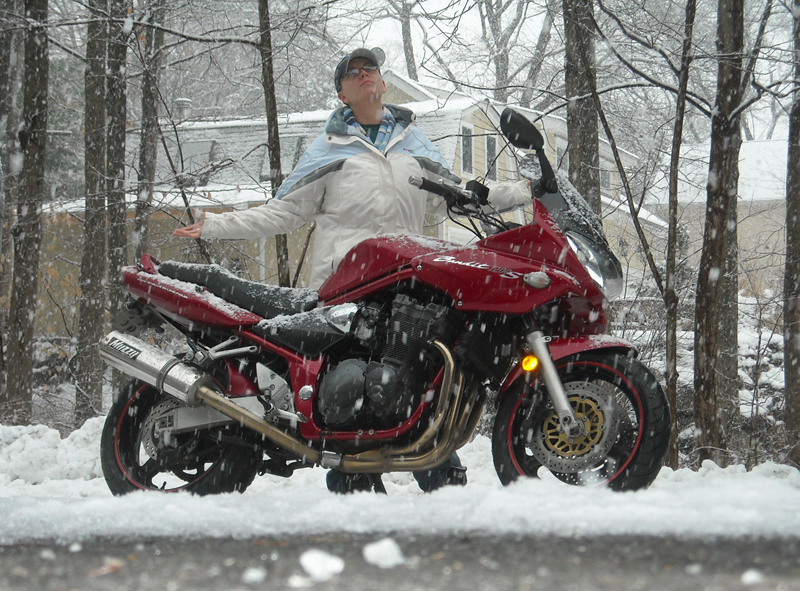
The changing weather means that the biking season is coming to an end. Winterizing your motorcycle is more than just putting it away; it’s also a good time to do some maintenance. Proper winter storage is important if you want your engine to start right away and run easily in the spring. If you skip a few easy steps now, you might have to pay a lot of money to fix problems like dead batteries, clogged carburetors, and rusty parts later on. No one wants to be locked in the garage on the first warm day of the year. Because of this, we’ve put together this complete blog with 8 important steps to protect your investment and keep your bike in great shape for the season ahead.
Helpful Tips to store your Bike for winter
Don’t let winter ruin your engine! Avoid costly spring repairs with these 8 indispensable storage tips.
- Stabilize and Fill the Tank
- Change the Oil and Filter
- Protect Your Battery
- The Exterior Defense Wash, Dry, and Wax
- Mind the Tires and Suspension
- Pest and Cable Protection
- Lubricate the Small Moving Parts and Seals
- Proper Cover and Location
- Stabilize and Fill the Tank
This is the most important step: making the fuel stable. These days’ gasoline, especially blends with ethanol, breaks down quickly, leaving behind a sticky varnish that can block injectors or engine jets. So, use a good fuel additive, such as Sta-Bil, and pour it into a tank that is full. A full tank has less air in it, which lowers the humidity that can cause rust. Also, run the engine for 10 to 15 minutes. This makes sure that the treated fuel goes through the whole system and protects the injectors and lines. This makes sure that the car starts easily next spring.
- Change the Oil and Filter
Change the oil and filter if you only do one thing! Used engine oil is dangerous because it contains acidic contaminants that form when it burns. Also, these acidic substances quietly eat away engine parts if this dirty oil sits there doing nothing. On the other hand, changing the oil right before putting it away covers the inside with a clean, fresh serum that protects everything. This easy step stops internal wear and rust that isn’t necessary. This keeps your engine healthy so that it works well when you start it up again.
- Protect Your Battery
The cold is terrible for batteries. Leaving your battery plugged in and out in the cold will cause it to slowly drain and, worse, damage itself so that it can’t hold a charge again. So, protecting it is very important. So, the best thing to do is to first separate the negative (black) cable, then the positive (red) cable, and finally take out the battery. Avoid putting it on the ground and instead put it somewhere cool and dry, like on a wooden shelf. The secret is also to connect it to a battery charger. When the power drops, a tender smart charger gives a small charge. This keeps the battery from going into deep shutdown or overcharging all the time, which will extend its life and make sure it has a strong crank come spring.
- The Exterior Defense Wash, Dry, and Wax
Cleaning the bike is an important step that might not seem necessary since it won’t be used. Bug splatter, road grime, and brake dust are all acidic substances that can permanently etch or corrode paint and metal if left on surfaces for months. First, wash and dry your motorbike very carefully. After the paint is dry, use a good wax or polish to cover all sprayed areas. This makes a layer of sacrifice that protects the finish from water, dust, and rust. You might also want to use a thin layer of WD-40 or silicone spray on any metal, fasteners, or engine fins that are visible. This makes an unseen barrier against moisture in the air that keeps your bike looking as beautiful in the spring as it did when you put it away.
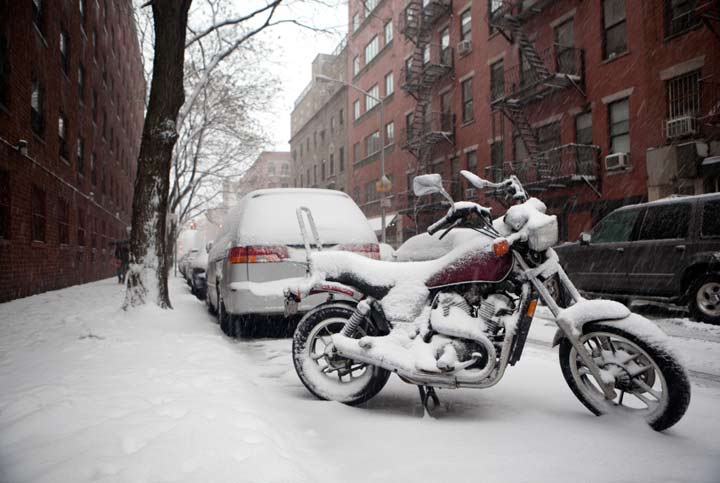
- Mind the Tires and Suspension
If you leave your bike sitting for a long time, the steady pressure on the same patch of rubber can cause your tires to get “flat spots,” which make the ride rough and unstable. To avoid this, make sure your tires are inflated to the highest PSI level shown on the rim of the tire. The extra air helps the tire keep its round shape. The best way to fix this, though, is to take all the weight off the tires. Use your center stand and field stands if you have them. Keeping the rubber off of cold, hard ground stops flat spots and lowers the stress on your suspension parts. Finally, spray some silicone lubricant on the suspension seals quickly. This will keep the rubber flexible and stop it from breaking.
- Pest and Cable Protection
Mice and rats are quick to take advantage of warm, dark places, like motorbike engines. Most of the time, mice chew through wires, make nests in airboxes, and, worst of all, block exhaust pipes. Because of this, it is important to block all entry places. Carefully put rags or steel wool into the exhaust pipe ends. Cover the air entry hole as well. Attaching bright ribbons or tags that say “REMOVE BEFORE STARTING” to these blocks is very important. Forgetting to do so can seriously damage the engine! Also, use a cable lubber to give the throttle, clutch, and brake wires a fresh coat of lubricant to keep them from getting stiff and seizing up while you’re not using the bike.
- Lubricate the Small Moving Parts and Seals
When working with engine oil and fuel, keep in mind that the smaller, more visible moving parts and rubber seals can dry out and seize up. Pay special attention to the chain, foot levers, and pivot points. In the same way, clean and grease your chain to keep the O-rings flexible and the links from rusting. Also, put waterproof grease on the pivot points of your clutch, brake, and gear shifter levers. Finally, use silicone spray to cover any rubber seals that are showing. This security makes sure that all the moving parts stay smooth and sharp next season.
- Proper Cover and Location
For winter keeping, both the right cover and the right place are very important. Keeping your bike in a climate-controlled shed is the best way to keep it safe from changes in temperature and harmful humidity. essentially stay away from sheds that aren’t protected and high-humidity outdoor parking. When it comes to the cover, never use a plastic tarp that doesn’t let air through! A plastic tarp keeps water in, making a damp area that is good for rust. Select a breathable cotton sheet or a cover made just for the job. This will protect the paint while letting the moisture leave naturally.
Conclusion
Getting your motorcycle ready for winter isn’t just a hassle; it’s a sign of care that protects your investment and your ride experience. If you carefully follow these eight steps—from making sure the fuel level is stable and changing the oil to taking care of the battery and properly covering the bike—you can avoid the most common springtime problems, such as rust, clogs, and dead batteries. Now that you’ve spent a few hours getting your bike ready, it will start right up and run perfectly, so you can enjoy the first nice day of spring on the open road instead of working on it in the garage.